
Sales habits are the repeated behaviors that shape how consistently a salesperson prepares, communicates, follows up, learns and responds to setbacks. Talent can give someone a strong start, but long-term sales performance depends heavily on what they do consistently.
A naturally confident salesperson can still struggle without preparation, follow-up and discipline. Someone who starts with less confidence can improve quickly by building better routines and practicing the right sales behaviors repeatedly.
Sales does not reward what you want, hope for or talk about. It rewards what you do repeatedly.
As James Clear writes in “Atomic Habits”: “You do not rise to the level of your goals. You fall to the level of your systems.” In sales, your system is your habits.
Every salesperson has goals. Income goals. Performance goals. Lifestyle goals. But goals alone do not produce results. Daily actions do.
Most people do what feels easiest or most pleasurable in the moment. Habits exist precisely because they save mental energy. They allow us to act without thinking. That is both their strength and their danger.
In a well-known study on everyday behavior, researchers Wendy Wood, Jeffrey Quinn and Deborah Kashy found that around 43% of participants’ reported behaviors were performed habitually – repeated frequently in similar contexts. In sales, the implication is important. Preparation, follow-up, questioning and the way you respond to rejection can gradually become part of how you naturally work rather than decisions you need to consciously make every time.
Successful salespeople form the habit of doing the things unsuccessful people tend to avoid. Not because they enjoy them more, but because they understand the payoff of consistency.
Many of the fundamentals of sales are simple. What makes them difficult is doing them consistently.
Showing up on time. Making the calls. Practicing the talk. Following the process. Tracking the numbers. Asking for feedback. Reading and learning daily. These actions are not exciting. They do not make for impressive stories. But they work.
The danger for talented people is that early success can hide weak habits. When motivation is high, results come easily. But motivation is unreliable. It fluctuates with mood, energy, and circumstances. Habits protect you when motivation drops.
On days when you feel sharp and confident, habits keep you focused. On days when you feel tired or discouraged, habits keep you moving. This is why professionals rely on routines, not emotions.
In Atomic Habits, James Clear describes three levels of behavior change: outcomes, processes and identity.
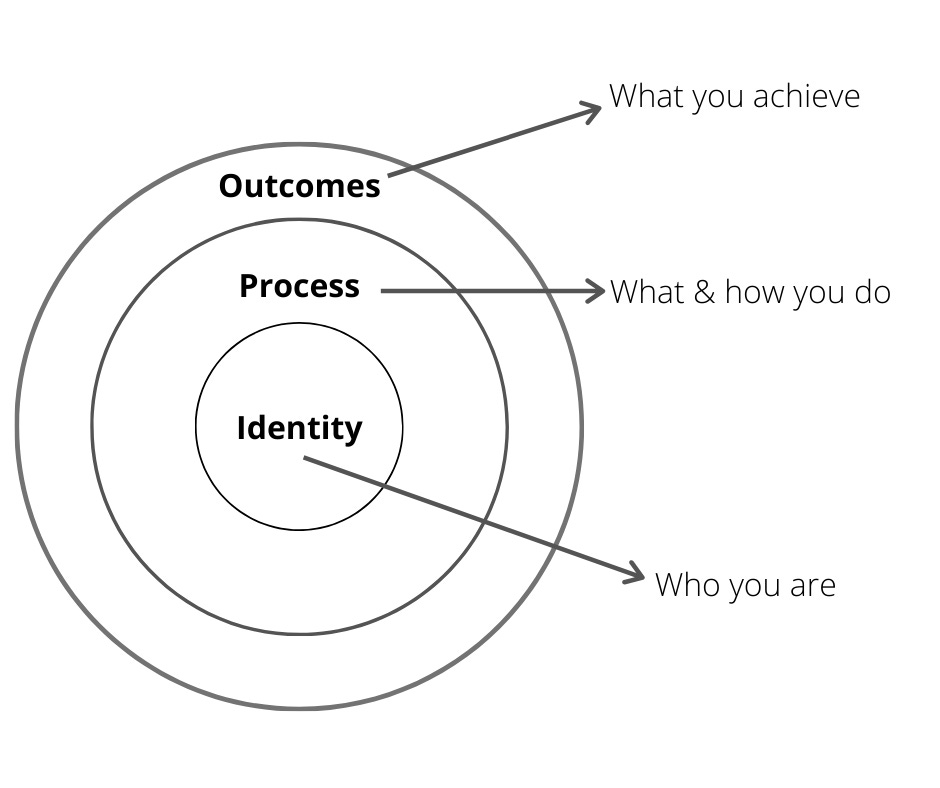
Most people focus on outcomes. They want more sales. More money. Better results. But outcomes are delayed. Processes happen daily. Identity is formed slowly, through repetition.
Every action you take is a vote for the type of salesperson you are becoming.
When you consistently prepare, you become a professional. When you consistently follow up, you become reliable. When you consistently seek feedback, you become coachable.
James Clear describes this as identity-based habits. Instead of asking, “What do I want to achieve?” you ask, “Who do I want to become?”
Salespeople who build habits around identity do not rely on short-term motivation. Their actions align with who they believe they are. This is why these habits stick, while outcome-based habits often fade.
Every habit follows the same structure:
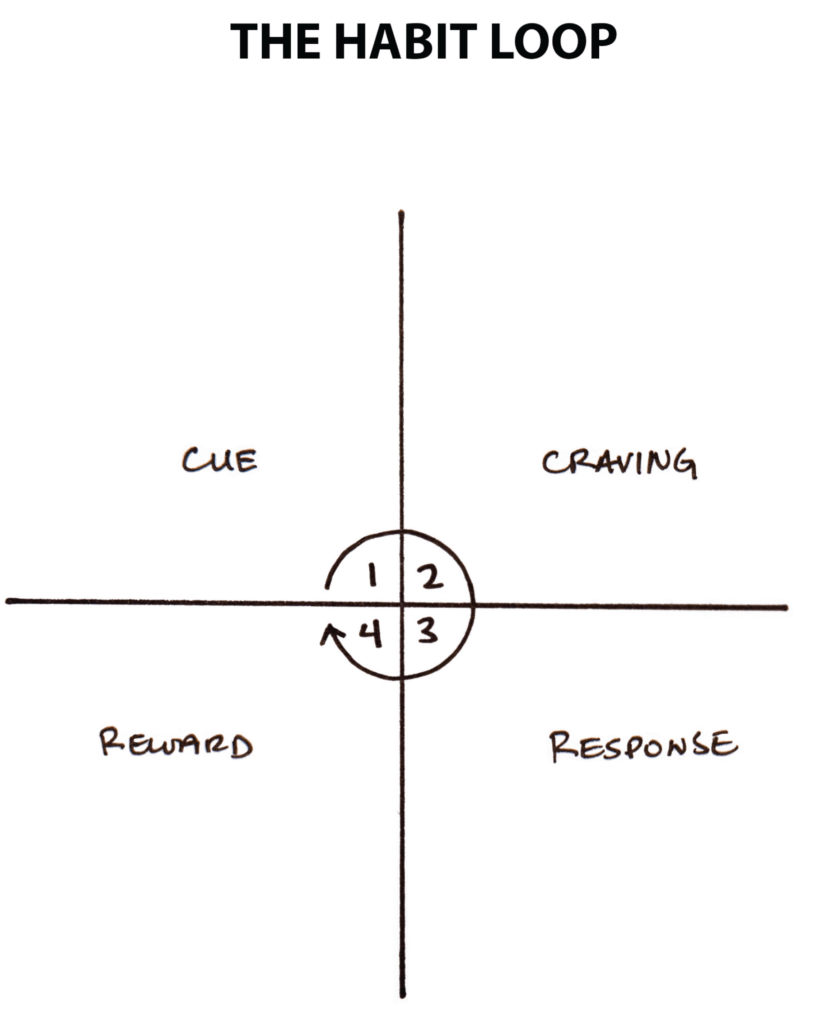
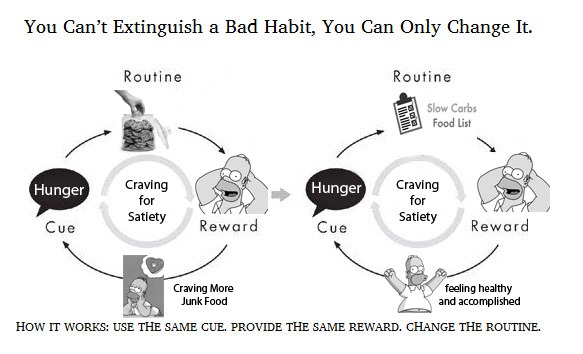
You cannot remove cues or cravings. You can only change the routine. The value of the habit loop in sales is that it helps you notice what happens automatically.
Rejection can be the cue. The craving may be relief from discomfort. Your response could be avoiding the next call, complaining or disengaging. Or you can train a different response: review what happened, reset and start the next conversation. In objection handling, this same kind of repeated response matters a lot, which is why frameworks such as the LAER method become more useful when practiced consistently.
The response you repeat becomes easier to repeat again.
This shift does not happen through willpower alone. It happens through awareness and repetition. Over time, the new routine becomes automatic.
There is no universal number of days required to form a habit. A well-known University College London study found that the average time for a behavior to reach a high level of automaticity was around 66 days, but the results varied considerably between people and behaviors.
The lesson is not to count down to day 66. It is to repeat the behavior long enough that it gradually requires less conscious effort. If something still feels difficult, the habit is not formed yet. That does not mean it is failing. It means consistency is still required.
In sales, the difference between average and exceptional performance is rarely effort in one day. It is effort across many ordinary days.
People who rely on talent often experience emotional swings. Their performance varies with mood. Those who rely on habits control what is controllable. Their numbers stabilize. Their confidence becomes unconditional.
This is why strong habits can become more valuable over time than talent alone.
Sales rewards those who think long-term. Habits shape how quickly you recover from setbacks, how steadily you perform, and how professionally you show up. They determine whether you grow through challenges or repeat the same mistakes.
It is never too late to build better habits. Every day is an opportunity to cast a new vote for who you want to become.
Sales does not ask for perfection. It asks for consistency.
The salesperson you become is shaped by the behaviors you repeat: how you prepare, how you respond to rejection, whether you follow up, whether you ask for feedback and whether you keep practicing when motivation is low.
Talent can influence where you start. Your habits have a much bigger influence on what you are able to repeat.
If you want to understand the skills those habits help develop, explore our guide to essential sales skills every salesperson should develop.
Inspired by James Clear’s Atomic Habits and Charles Duhigg’s The Power of Habit – two books every salesperson should read.