Why Habits Matter More Than Talent in Sales
In sales, talent is often overrated.
When people talk about success, they usually point to confidence, charisma, or natural ability. Yet when you look closely at those who consistently perform well year after year, a different pattern emerges. The strongest salespeople are not necessarily the most gifted speakers or the most extroverted personalities. They are the most consistent.
Sales does not reward what you want, hope for, or talk about. It rewards what you do repeatedly.
As James Clear writes in Atomic Habits, “You do not rise to the level of your goals. You fall to the level of your systems.” In sales, your system is your habits.
You Don’t Get What You Want. You Get What You Do Consistently.
Every salesperson has goals. Income goals. Performance goals. Lifestyle goals. But goals alone do not produce results. Daily actions do.
Most people do what feels easiest or most pleasurable in the moment. Habits exist precisely because they save mental energy. They allow us to act without thinking. That is both their strength and their danger.
Research from Duke University shows that over 40 percent of our daily actions are driven by habits, not conscious decisions. In sales, this means your results are largely shaped by what you do automatically. The questions you ask. The way you prepare. Whether you follow up. Whether you reset after rejection or carry it into the next conversation.
Successful salespeople form the habit of doing the things unsuccessful people tend to avoid. Not because they enjoy them more, but because they understand the payoff of consistency.
Habits Are the Boring Basics Done Well
Sales is not complicated. It is repetitive.
Showing up on time. Making the calls. Practicing the talk. Following the process. Tracking the numbers. Asking for feedback. Reading and learning daily. These actions are not exciting. They do not make for impressive stories. But they work.
The danger for talented people is that early success can hide weak habits. When motivation is high, results come easily. But motivation is unreliable. It fluctuates with mood, energy, and circumstances. Habits protect you when motivation drops.
On days when you feel sharp and confident, habits keep you focused. On days when you feel tired or discouraged, habits keep you moving. This is why professionals rely on routines, not emotions.
Identity Is Built Through Repetition
There are three levels of change. Outcomes, processes, and identity.
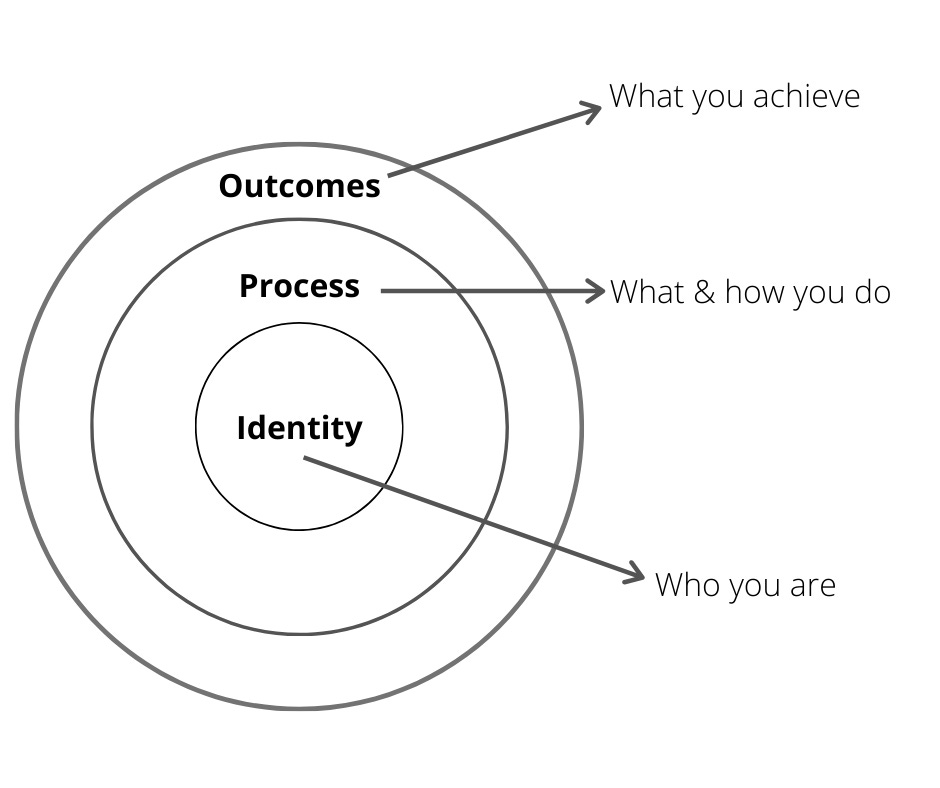
Most people focus on outcomes. They want more sales. More money. Better results. But outcomes are delayed. Processes happen daily. Identity is formed slowly, through repetition.
Every action you take is a vote for the type of salesperson you are becoming.
When you consistently prepare, you become a professional. When you consistently follow up, you become reliable. When you consistently seek feedback, you become coachable.
James Clear describes this as identity-based habits. Instead of asking, “What do I want to achieve?” you ask, “Who do I want to become?”
Salespeople who build habits around identity do not rely on short-term motivation. Their actions align with who they believe they are. This is why these habits stick, while outcome-based habits often fade.
Habits Work Through Simple Loops
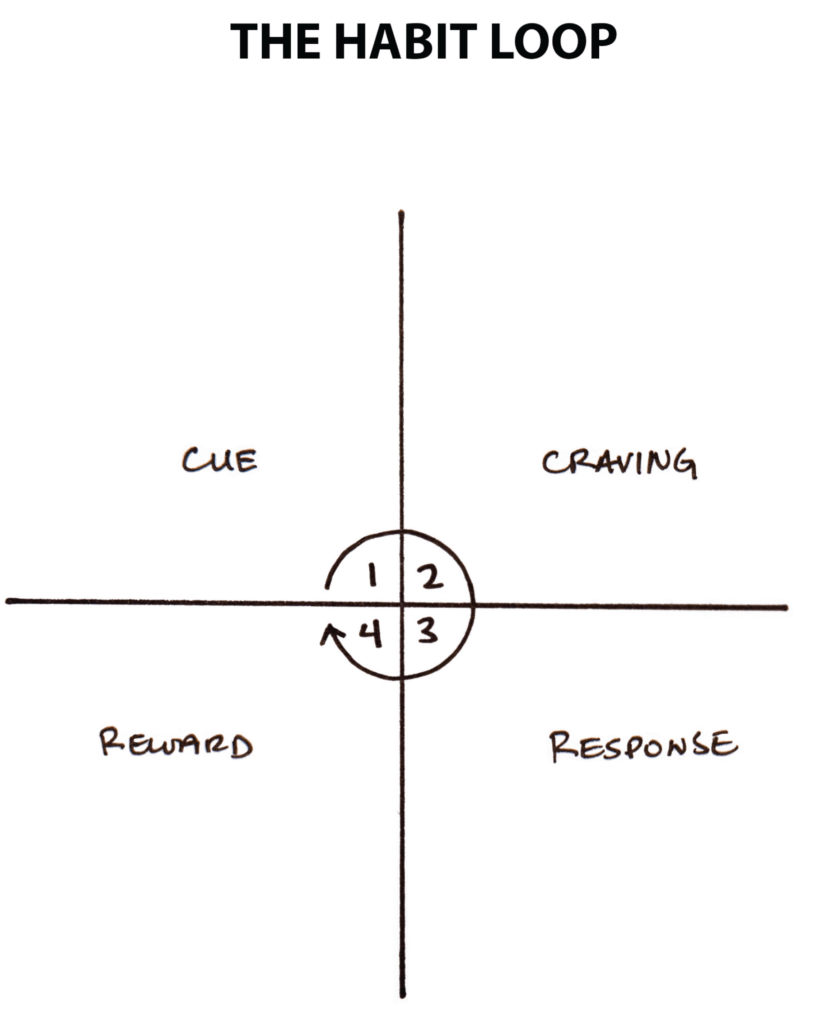
Every habit follows the same structure:
Cue – Something that triggers your brain to initiate a behavior.
Craving – Motivational force behind every habit, you don’t crave the habit itself, but the
change in your state it delivers.
Response – Routine activity you are used to doing after you sense the CRAVING.
Reward – The desired result/reward.
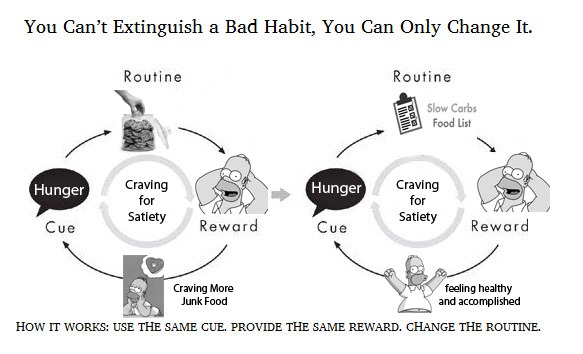
You cannot remove cues or cravings. You can only change the routine.
For example, rejection creates discomfort. The craving is relief. The routine might be avoidance, complaining, or disengagement. A professional changes the routine. They review the conversation, reset mentally, and move on.
This shift does not happen through willpower alone. It happens through awareness and repetition. Over time, the new routine becomes automatic.
Consistency Beats Talent Every Time
It takes time to build habits. Research suggests it can take up to 66 days for a behavior to become automatic. If something still feels difficult, the habit is not formed yet. That does not mean it is failing. It means consistency is still required.
In sales, the difference between average and exceptional performance is rarely effort in one day. It is effort across many ordinary days.
People who rely on talent often experience emotional swings. Their performance varies with mood. Those who rely on habits control what is controllable. Their numbers stabilize. Their confidence becomes unconditional.
This is why habits matter more than talent.
Sales Is a Long Game
Sales rewards those who think long-term. Habits shape how quickly you recover from setbacks, how steadily you perform, and how professionally you show up. They determine whether you grow through challenges or repeat the same mistakes.
It is never too late to build better habits. Every day is an opportunity to cast a new vote for who you want to become.
Sales does not ask for perfection. It asks for consistency. And consistency, built through habits, will always outperform talent left unmanaged.
If you want to grow in sales, start with your habits. They are already shaping your results, whether you are aware of them or not. The choice is yours.
Based by James Clear book “Atomic Habits” and Charles Duhigg “The power of habit”.